Mathematics
At Ryelands Primary and Nursery School, we aim for our children to learn Mathematics with;
- a positive ‘can do’ attitude towards the subject. We embrace the idea that every child can succeed in mathematics
- a fascination of mathematics and the awe and wonder it can create
- confidence to find links and connections whilst being mathematically observant
- competence and confidence in mathematical knowledge, concepts and skills
- an ability to solve problems, reason, think logically and to work systematically and accurately.
- initiative and an ability to work both independently and in cooperation with others
- an ability to communicate clearly using mathematical terminology
- an ability to use and apply mathematics across the curriculum and in real life
- an understanding of mathematics through a process of enquiry and experiment
How do we Teach Mathematics?
At Ryelands Primary and Nursery school we have adopted a ‘teaching for mastery’ approach in Mathematics. As part of this approach we believe that;
- All pupils are capable of understanding and doing mathematics, given sufficient time.
- With good teaching, appropriate resources, effort and a growth mindset, all children can achieve and enjoy mathematics.
This approach has number at the heart and a large proportion of time is spent reinforcing number to build competency and ensure children grasp the basic skills. Teachers stay in the required key stage and support the ideal of depth before breadth. We plan to ensure children have the opportunity to stay together as they work through the lesson as a whole group. Adding to this, we provide plenty of opportunities to build reasoning and problem solving elements into the curriculum.
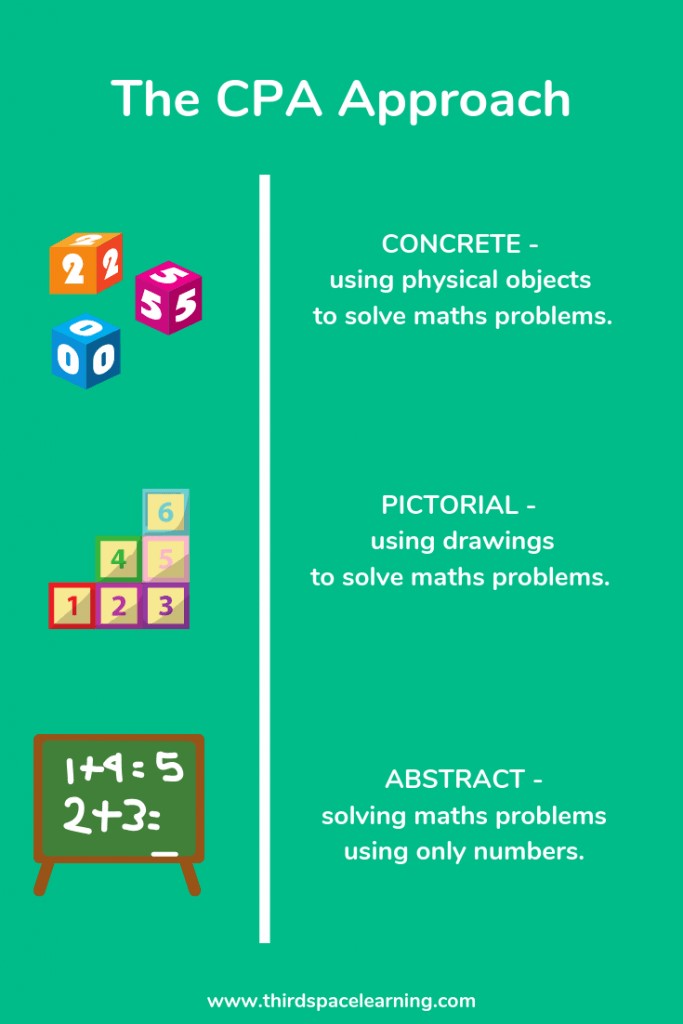
Throughout school, children are taught using the CPA approach to develop a deep and sustainable understanding of mathematical concepts. This method supports children to develop meaningful strategies to solve problems.
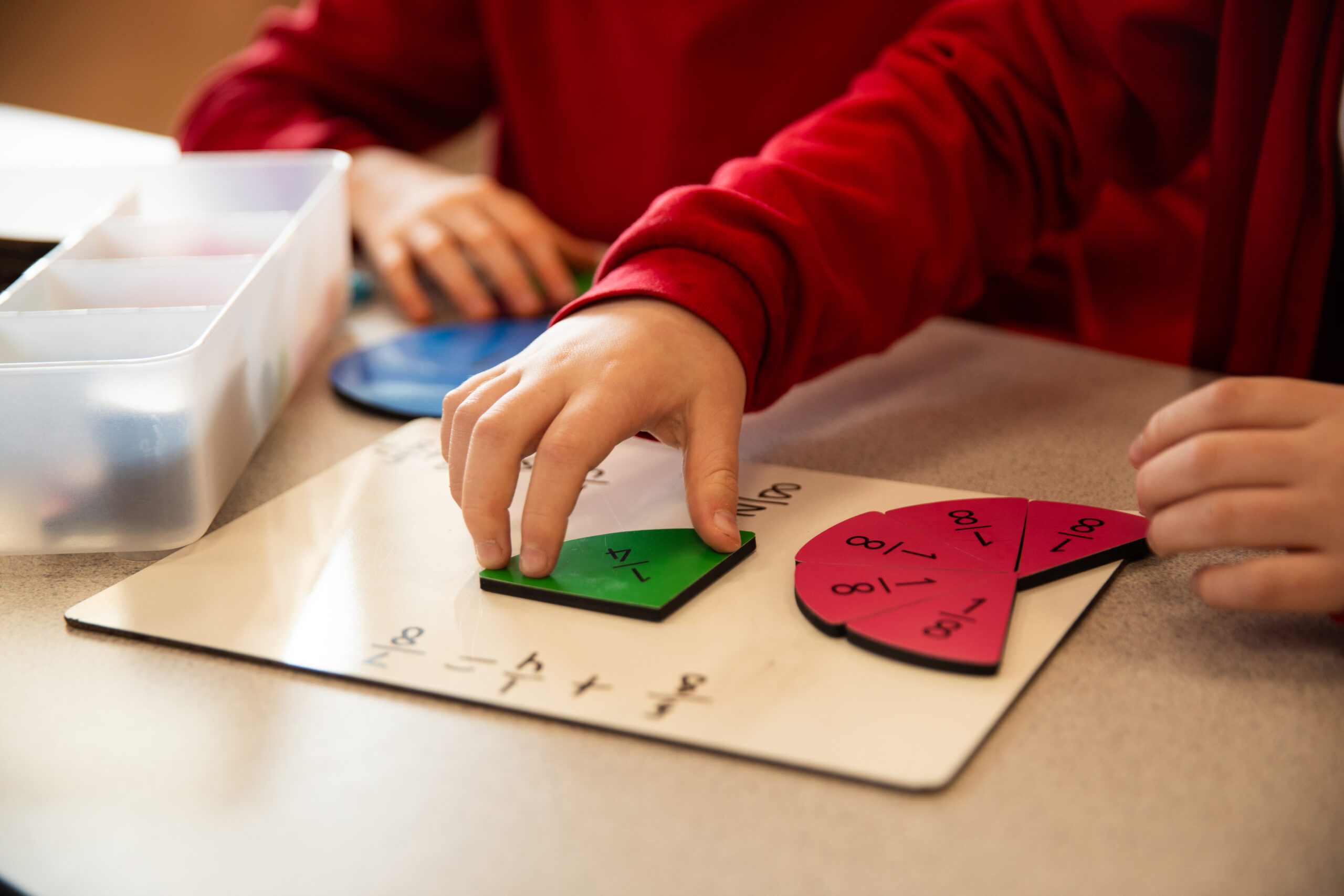
- Concrete – children have the opportunity to use concrete objects and manipulatives to help them understand what they are doing.
- Pictorial – children use pictorial representations. These representations can then be used to help reason and solve problems.
- Abstract – children will use symbols and numbers to solve problems.
Each child receives a 1-hour lesson every day dedicated to Mathematics. Alongside this we dedicate 5-10 minutes each day to develop number fluency (this includes times tables, number facts etc.). Children in EYFS and KS1 also have a dedicated ‘Mastering Number’ session where they learn key number skills.
Supporting Children at Home
Whilst children learn about maths in school, there are also lots of ways that we need you to support your child at home. There are so many fun activities and games you can include in your everyday routines! As maths is all around us and we’re using it every day, you may already be doing many of these mathematical activities and practicing your child’s numerical skills without even thinking about it. Children can access TT Rockstars to practise their times tables and Numbots to practise their number bonds.
Curriculum
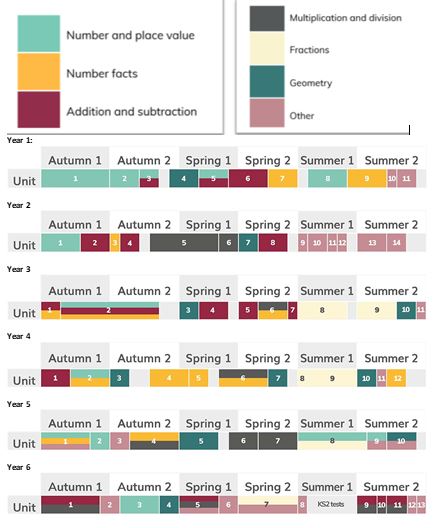
We have adopted the NCETM curriculum prioritisation materials to help structure the Ryeland’s Mathematics Curriculum. The NCETM provides small coherent sequencing to support the children’s learning. Each year group is sequenced as follows: